Soil to Cloth FIELD SCHOOL
August 24th-28th, 2026 in Port Alberni, BC
$1080-$1580 Sliding Scale. Pricing includes lunch and dinner.
Workshop days will run from 9 am-5:30 pm on the 25th-28th, with dinner at 6:30 with fireside chats. Join us for a traditional salmon cook out on the evening of the 24th.
In this immersive, hands-on workshop series, participants will explore the full lifecycle of textiles: From soil and fibre to natural colour and finished form. This series will bridge traditional handcraft with contemporary garment design, and will provide the tools to create knitwear with intention, fit and personal expression. By working directly with the living systems that support cloth: Land, animals, plants and natural materials, participants will learn how textiles can emerge from regenerative and place-based practices.
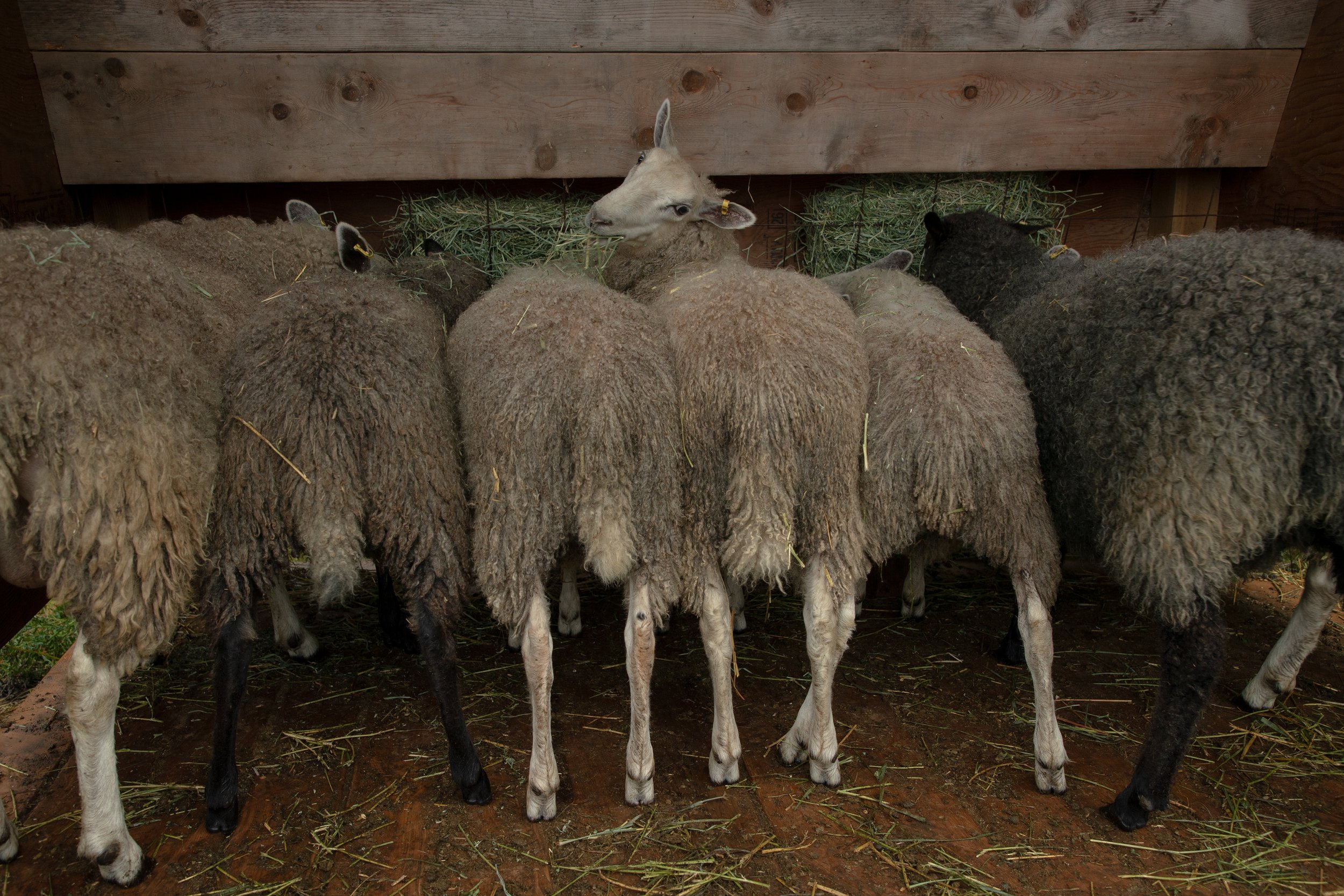
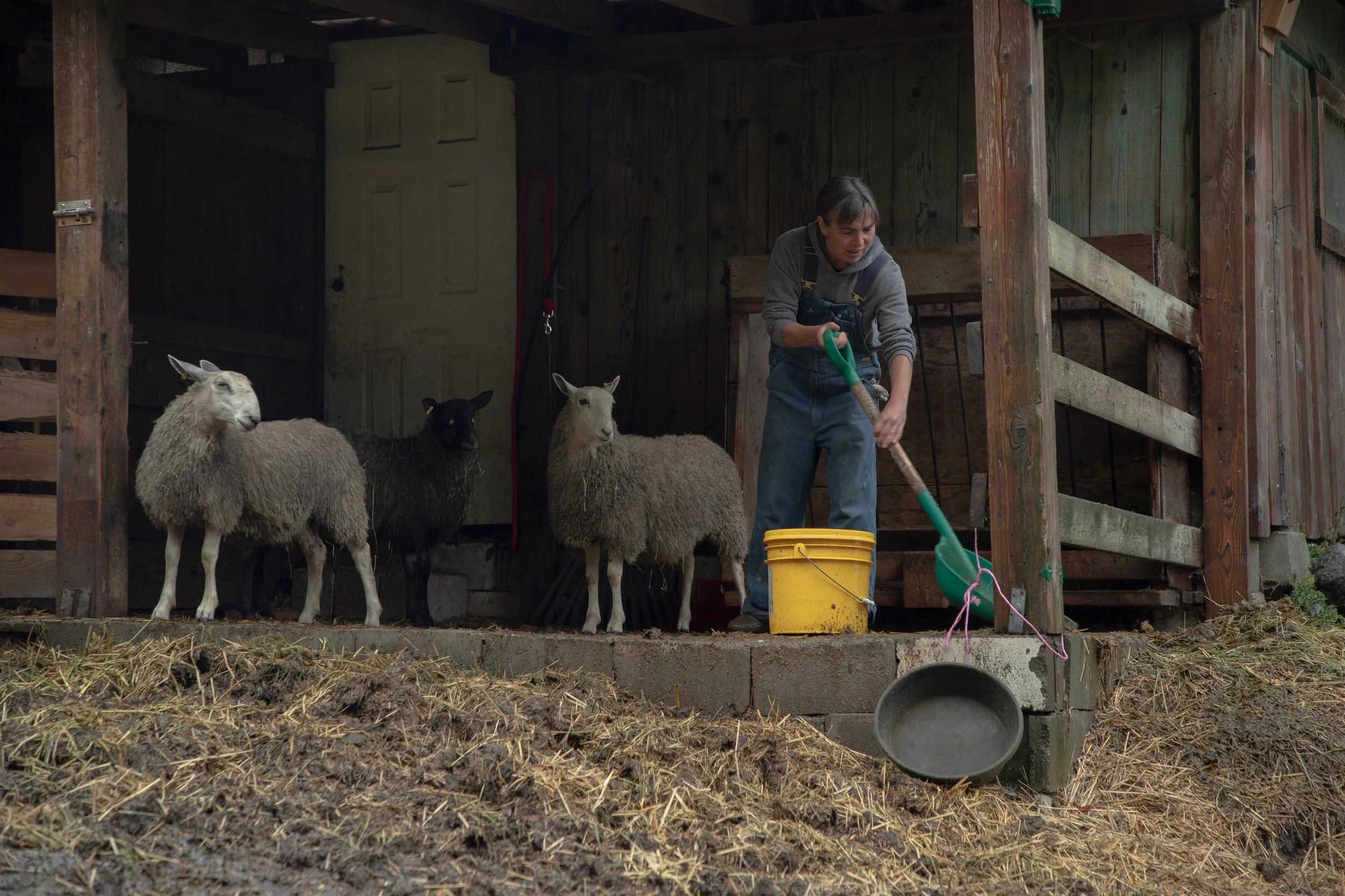
This multi-day workshop will be hosted by MorningStar Woollen Farm, a 70 acre regenerative farm in the Alberni Valley, on the traditional unceded territory of the c̓išaaʔatḥ (Tseshaht) and Hupačasath First Nations.
day 1: fibre origins: sheep, wool & the living landscape
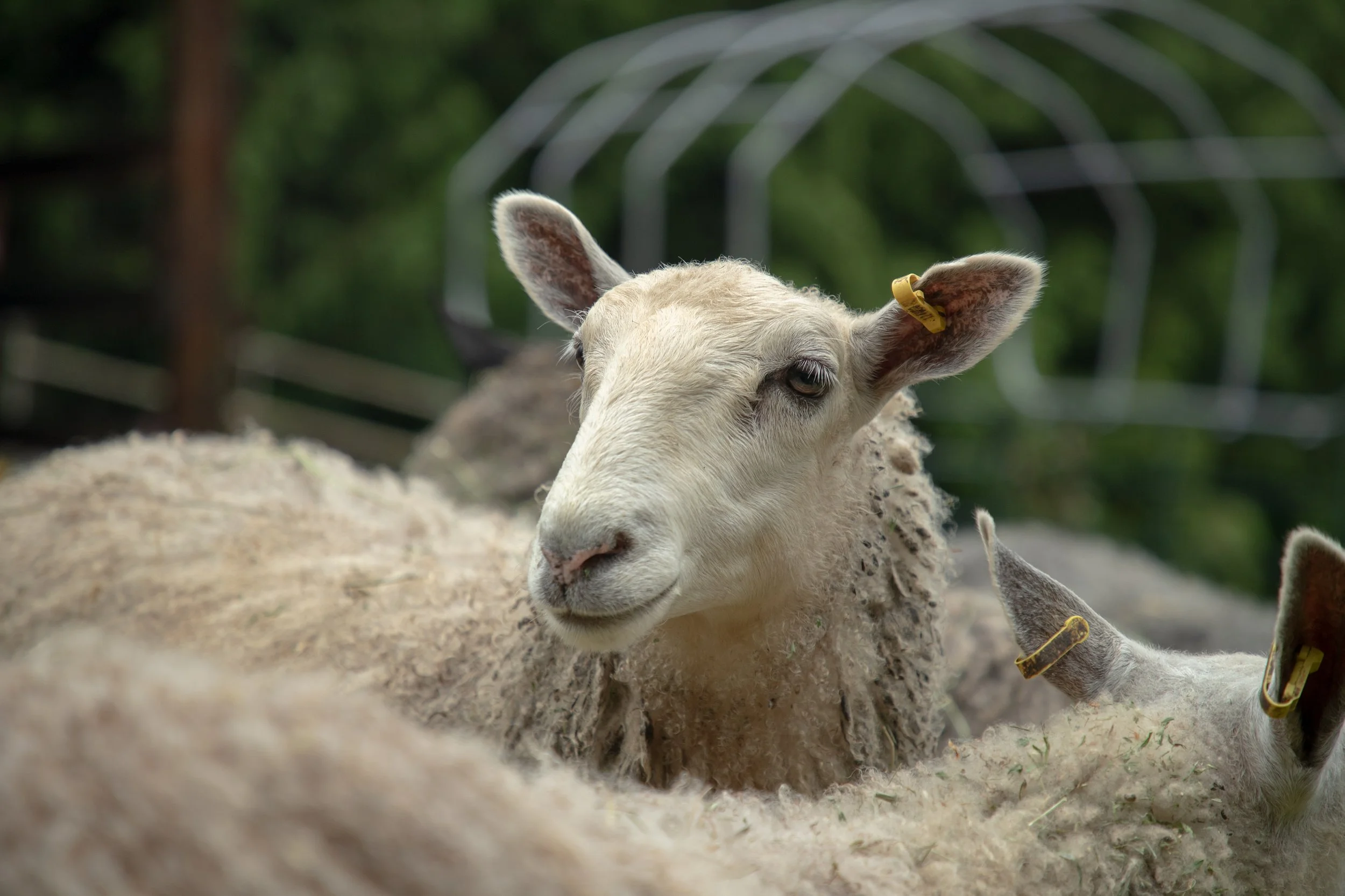
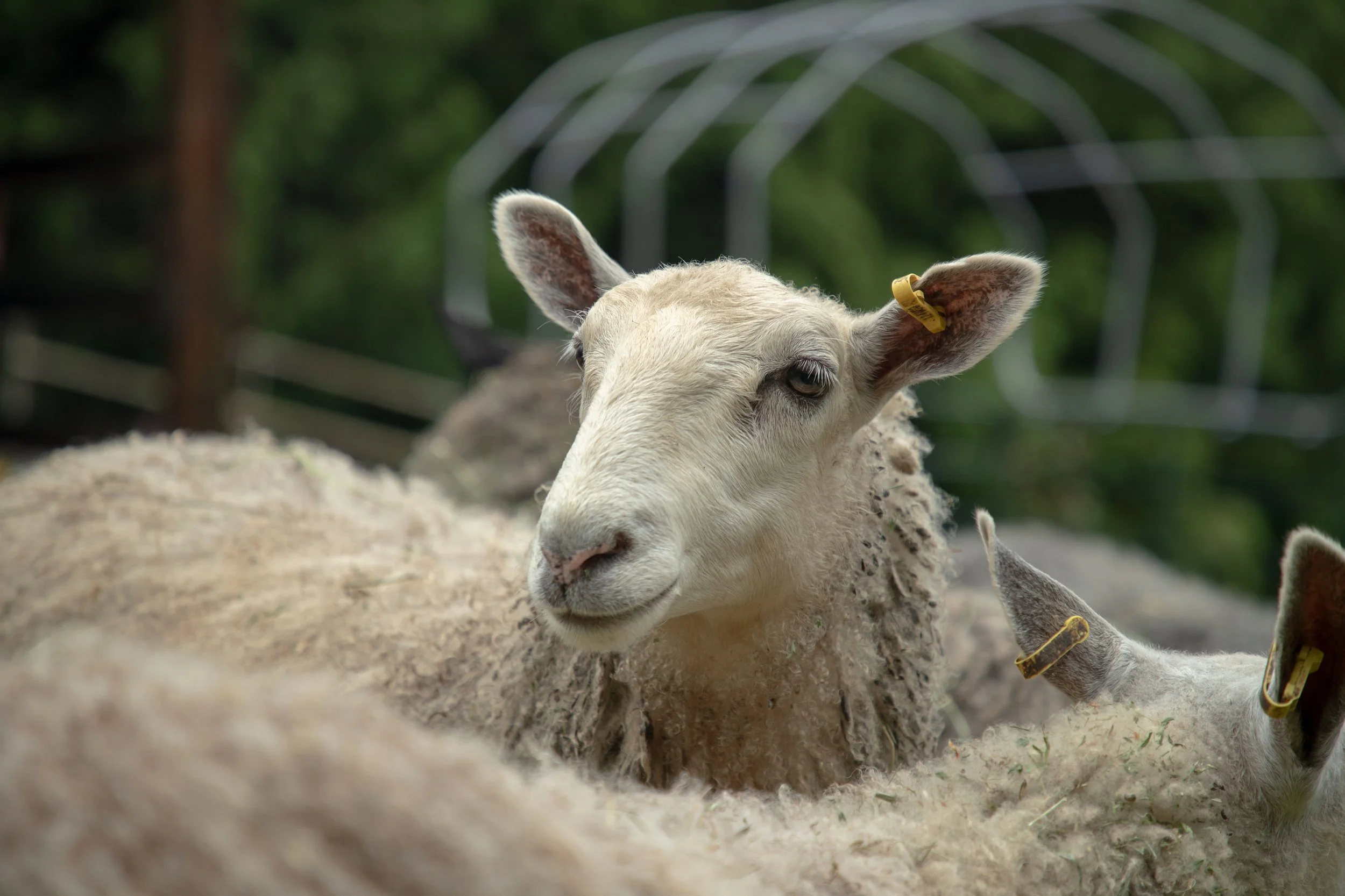
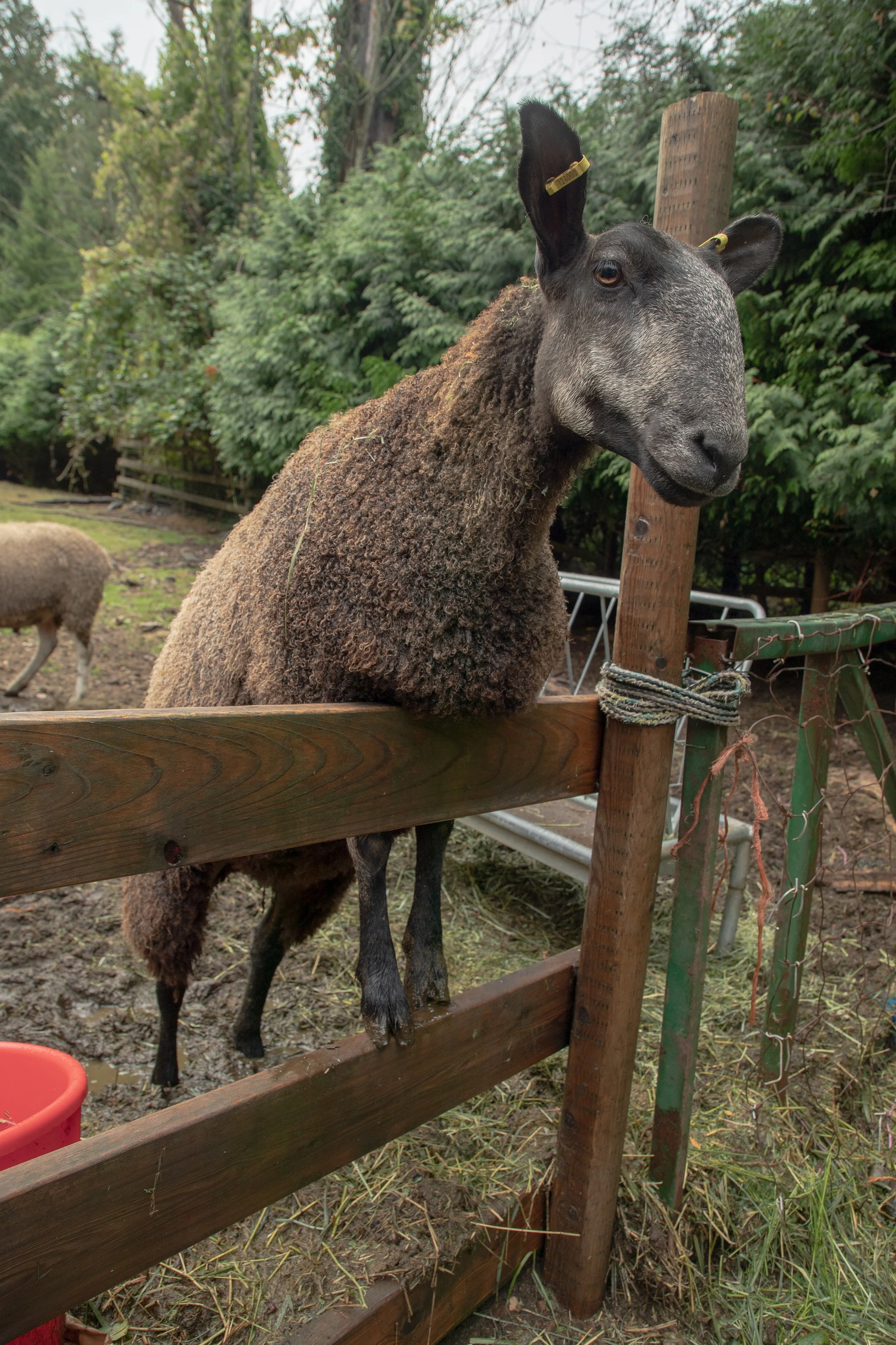
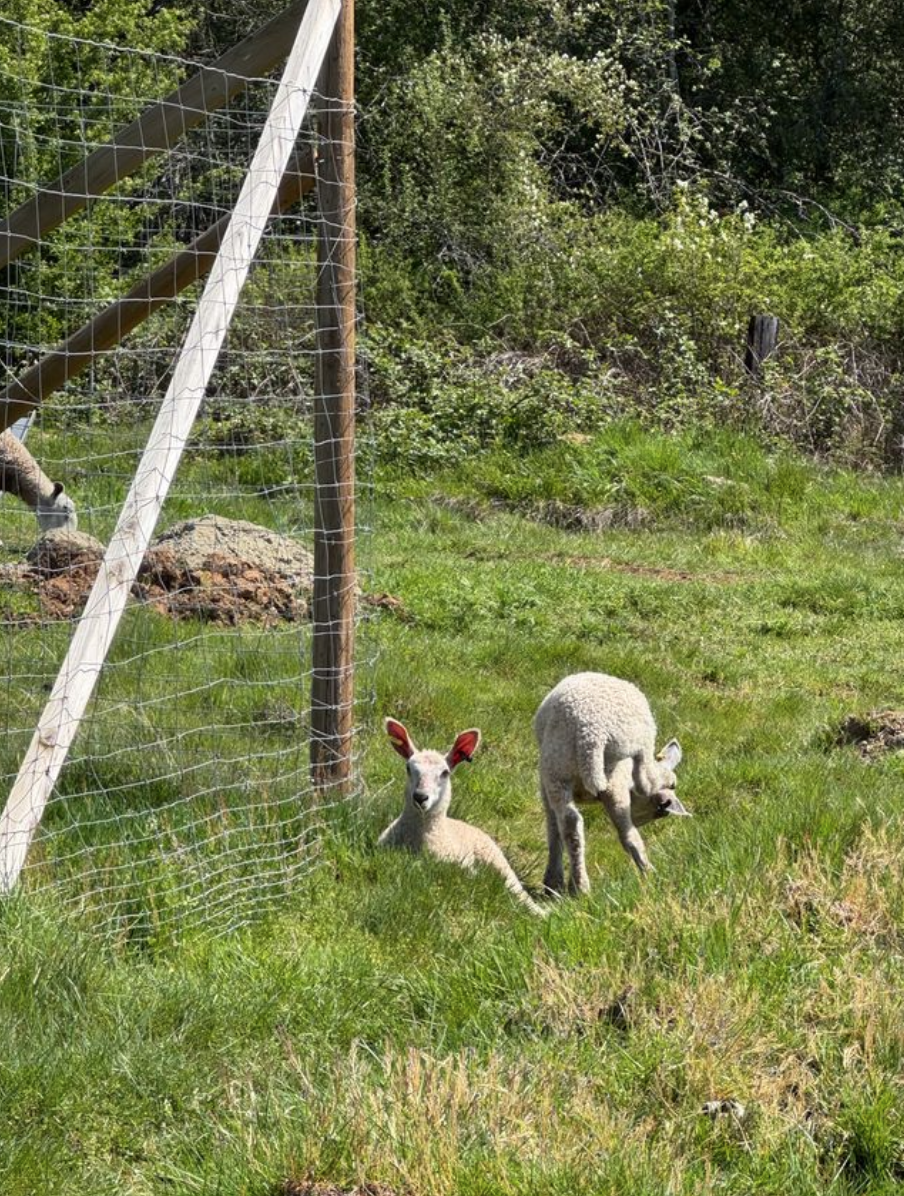
We will begin with the source of fibre itself. Participants are introduced to the sheep, pasture systems, and regenerative grazing practices that support wool production on the farm. This day centres on understanding fibre as something that begins in relationship with animals and the land.
LEARNING FOCUS:
Introduction to the farm ecosystem
Meeting the sheep and understanding their role in the land cycle
Basics of wool structure and fibre properties
Understanding breed qualities and fleece variation
How wool responds to season, climate and care
HANDS-ON ACTIVITIES:
Observing sheep and pasture practices
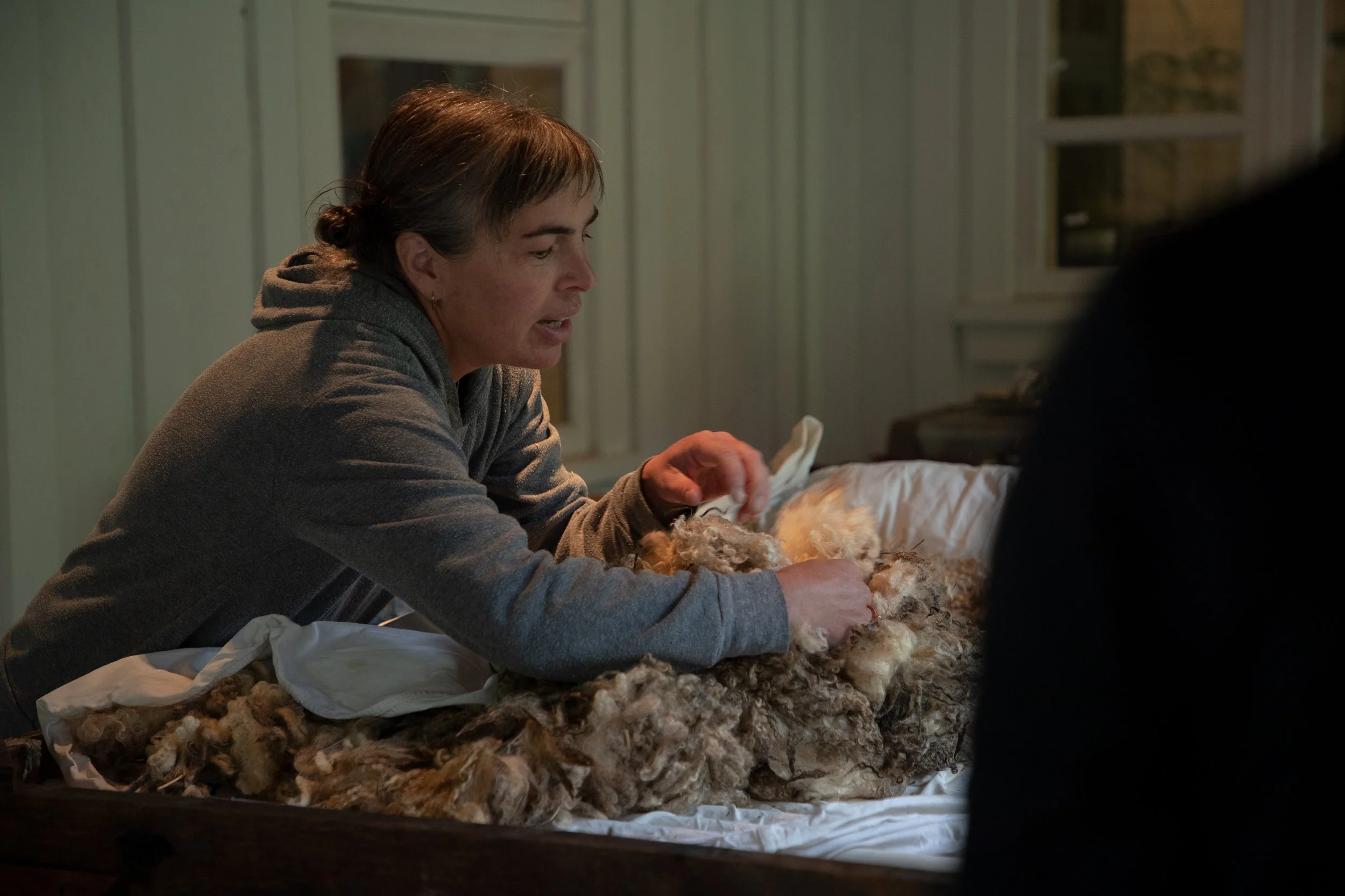
Skirting and sorting fleece
Washing raw wool
Hand carding and preparation
Introductory hand spinning or simple yarn making
day 2: Soil, plants and growing colour
This day explores how colour and fibre systems begin in healthy soil.
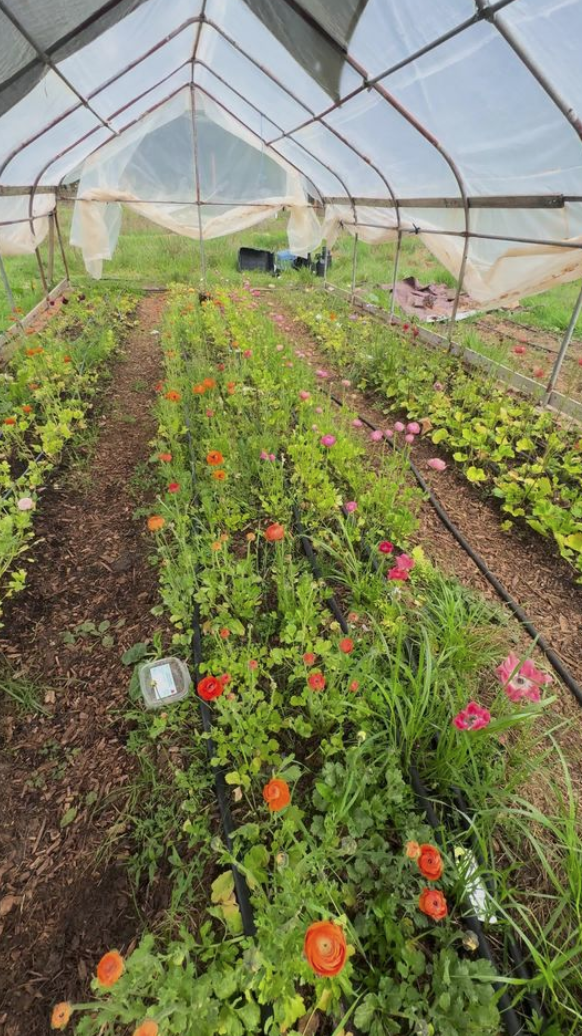
Participants will learn how regenerative agriculture supports both grazing systems and dye plant cultivation, building a deeper understanding of the ecological foundation of textile making.
LEARNING FOCUS:
Soil health and fertility basics
Composting and nutrient cycles
Growing plants for natural dyes
Seasonal rhythms of plant and growth harvest
Relationship between soil and colour vibrancy
HANDS-ON ACTIVITIES:
Building or observing compost systems
Making compost tea
Harvesting seasonal dye plants
Exploring flower and leaf identification
Preparing plant materials for dye work
day 3: harvesting colour: natural dyes & botanical printing
Participants will move directly from field to cloth, learning how the landscape imprints itself through colour. This day focuses on slow, experimental dye processes and plant-based mark-making.
LEARNING FOCUS:
Principles of natural dyeing
Plant to cloth colour extraction
Fibre preparation for dye uptake
Seasonal variations in colour
Eco-printing and botanical impressions
HANDS-ON ACTIVITIES:
Harvesting flowers and foliage
Preparing dye baths
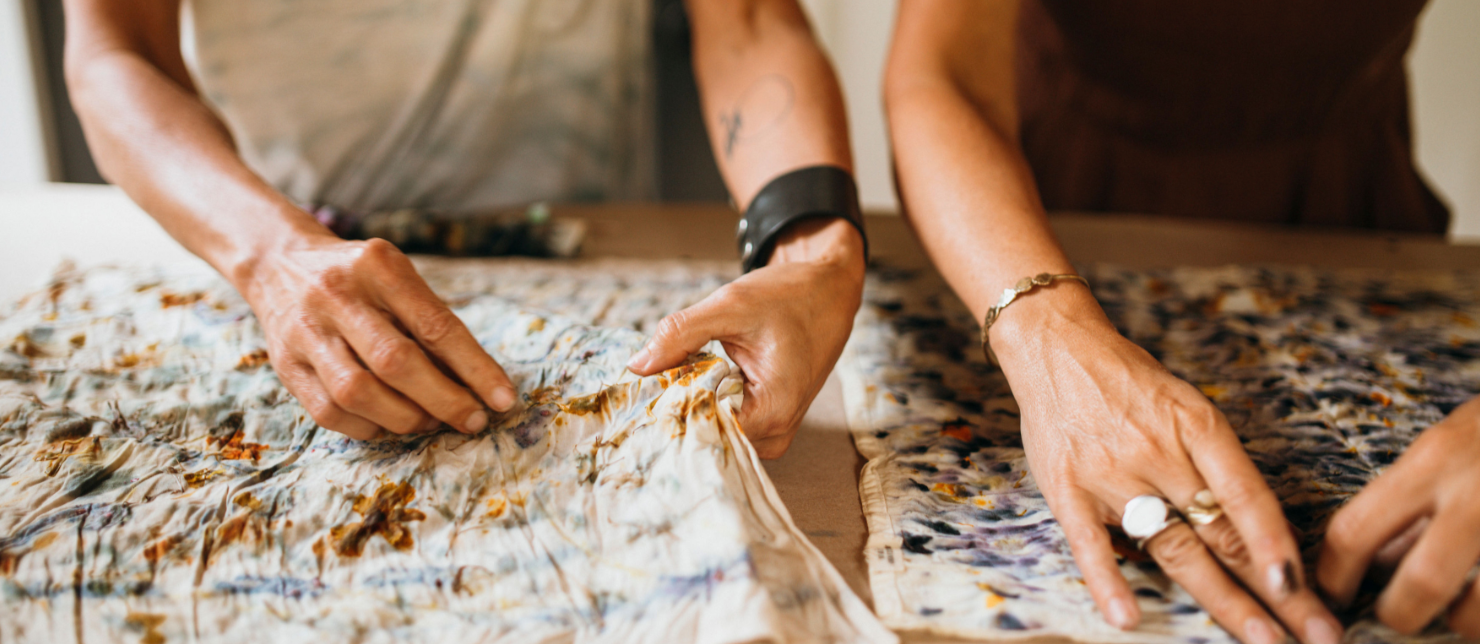
Botanical printing / Eco printing
Bundle dyeing
Experimenting with fresh plant pigments on wool and cloth
day 4: hand knit garment creation: fit, form & wearability
The final day brings the journey from land to wearable textile full circle.
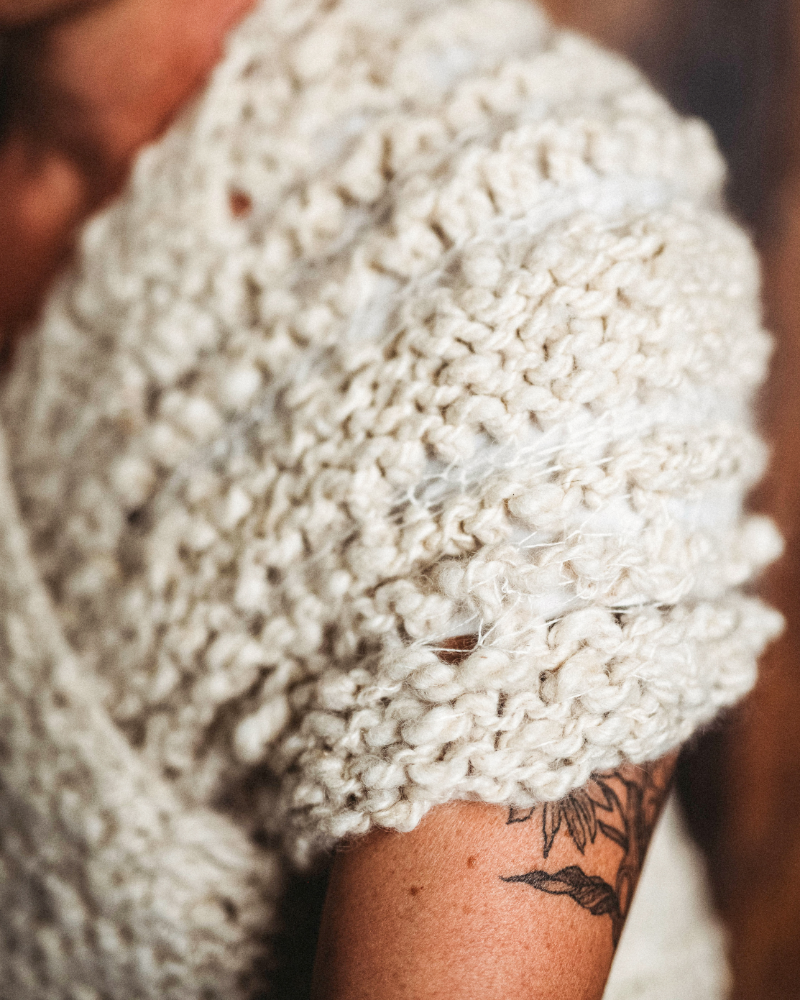
Using the wool and fibre knowledge developed throughout the workshop, participants will explore how yarn becomes garment through hand knitting, shaping, and intentional construction. This session focuses on fit as a design tool — understanding how knitted fabric moves with the body, how measurements translate into stitch counts, and how shaping creates comfort, structure, and silhouette. You will learn how to create garments that are not only beautiful, but truly wearable.
LEARNING FOCUS:
How knit fabric stretches, drapes, and recovers
How fibre choices influence fit and wear
Understanding the difference between structured and fluid knit fabrics
How stitch patterns affect elasticity and shape
How to take accurate body measurements
Ease and wearability
HANDS-ON ACTIVITIES:
Casting on and planning a simple wearable form
Exploring gauge
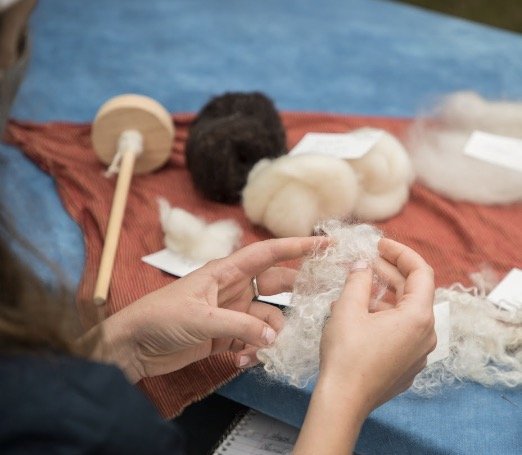
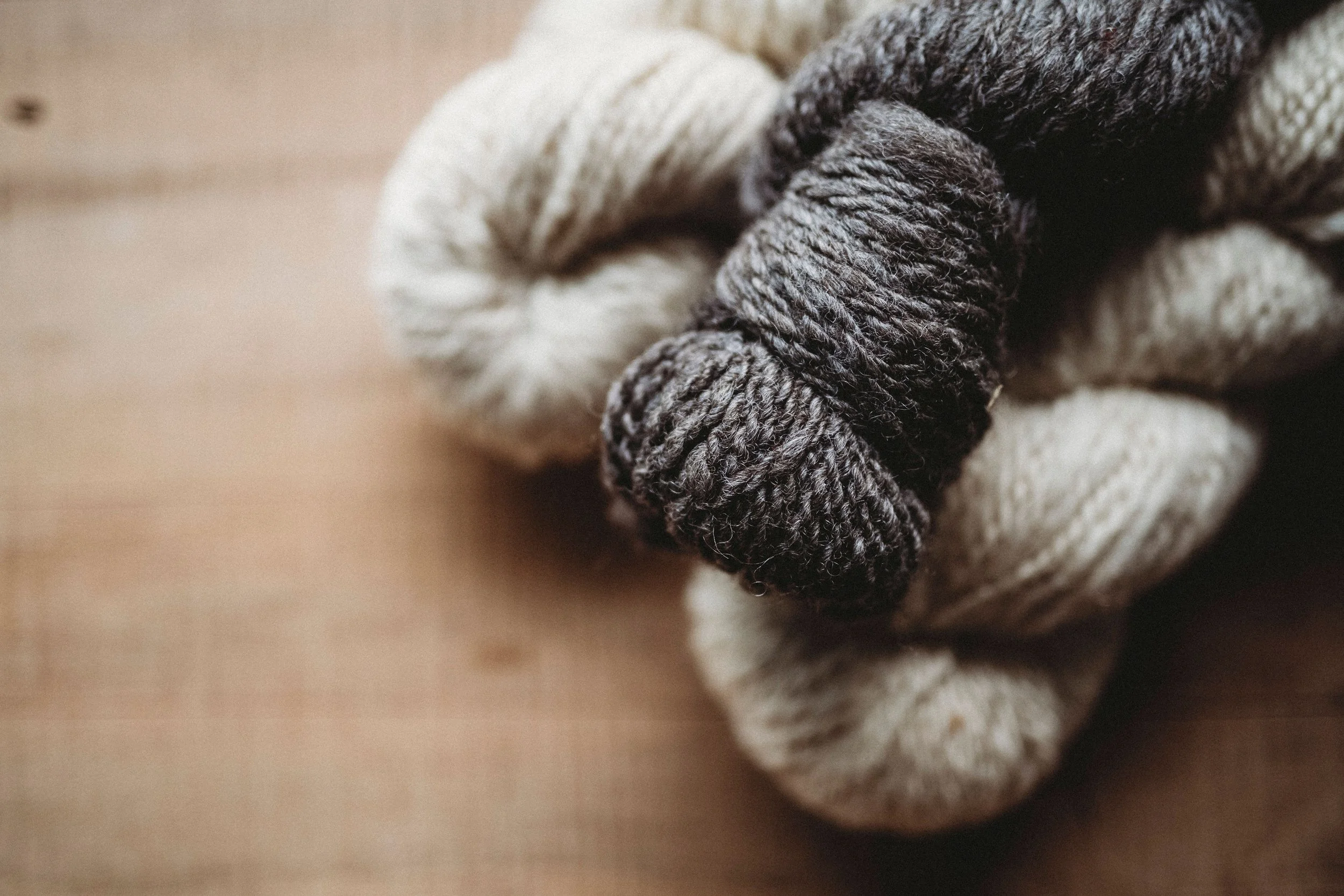
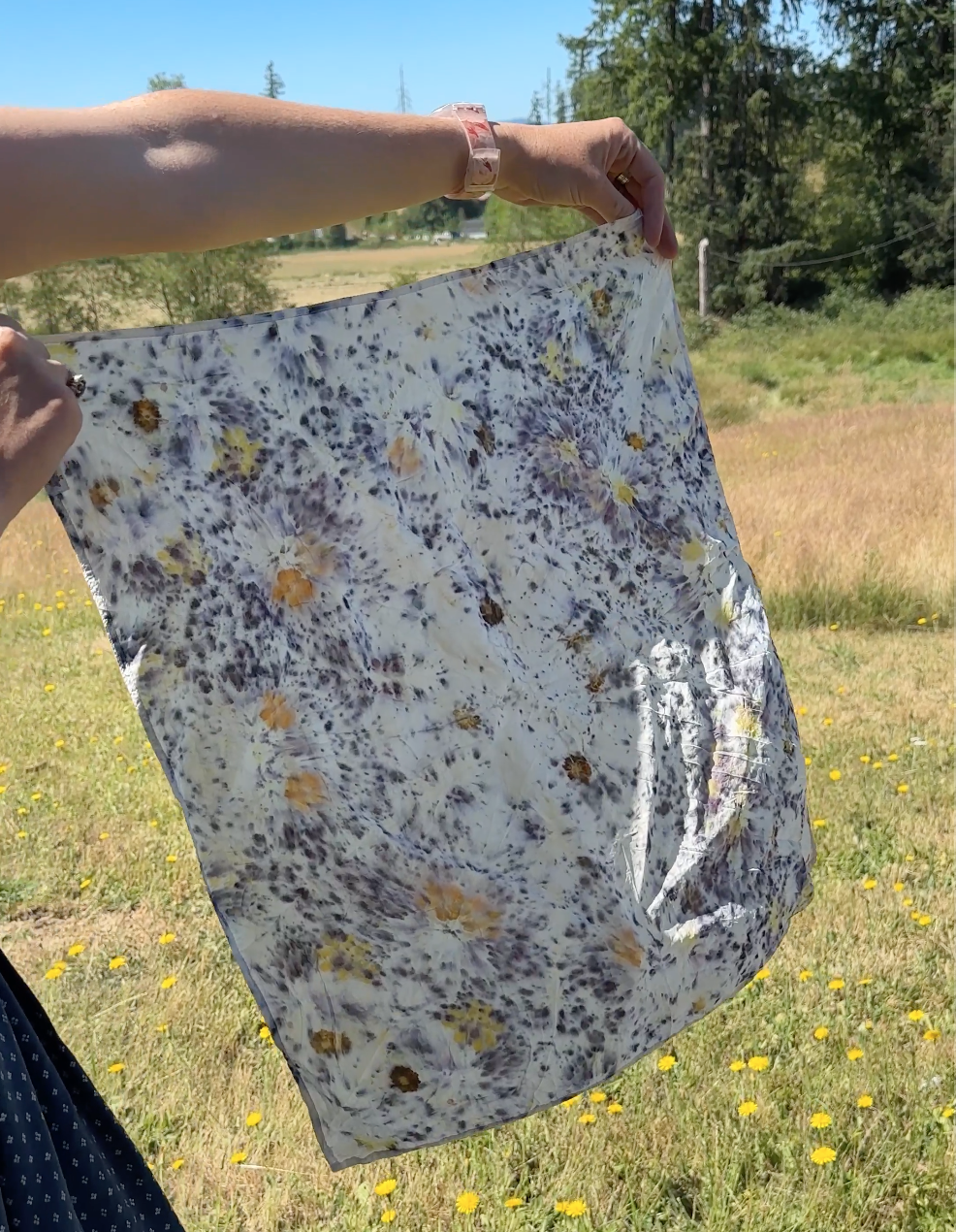
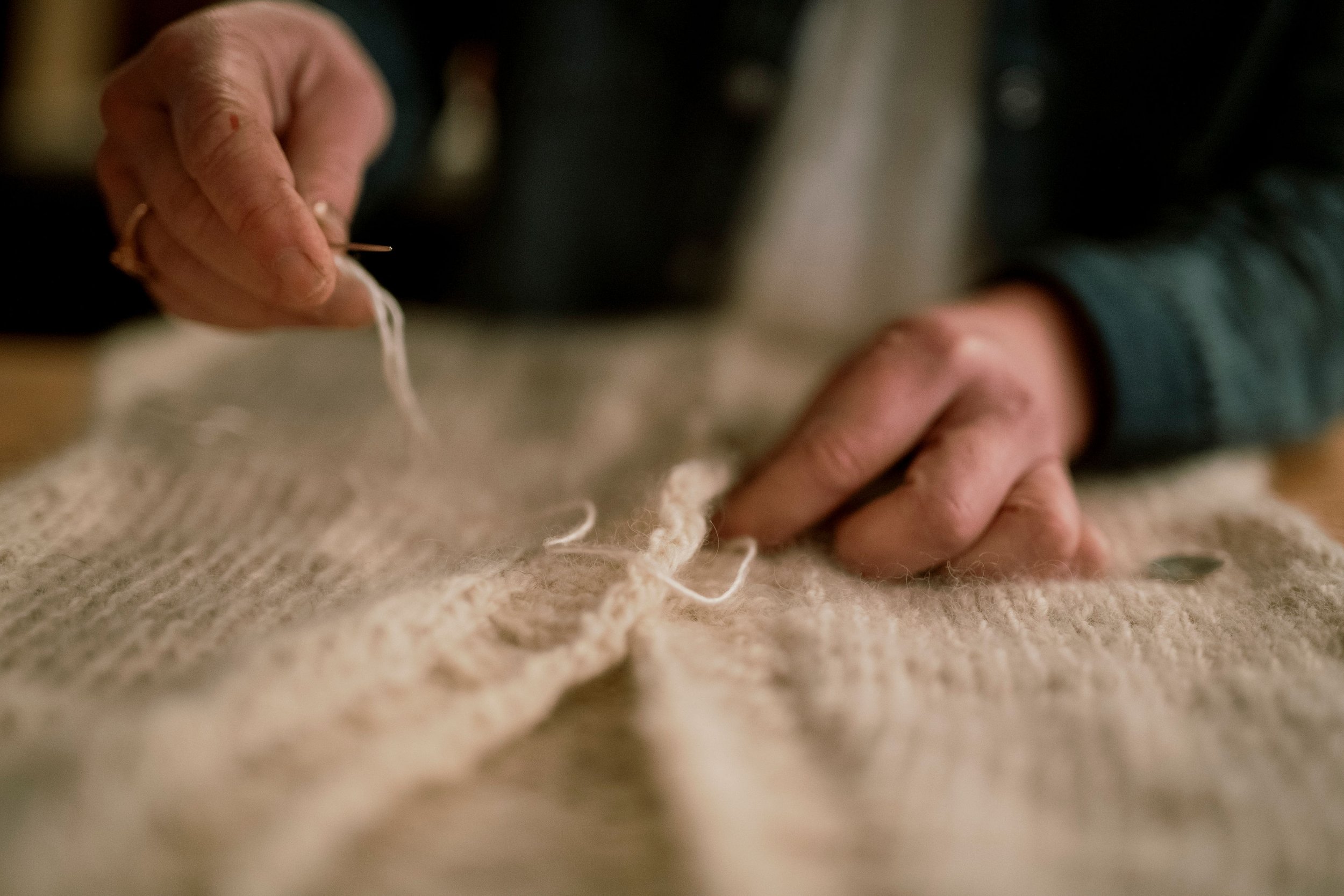
You will learn how to spin with a homemade drop spindle with fibre from the farm, as well as the basics of natural dyeing by making an ecoprinted silk handkerchief. On the final day, beginners will learn to make a set of fingerless gloves and more advanced knitters will learn basics of patterning through sweater knitting.
Morning Star Woollen is located in the Alberni Valley, on the traditional unceded territory of the c̓išaaʔatḥ (Tseshaht) and Hupačasath First Nations.
August 24th-28th, 2026 in Port Alberni, BC (Workshop dates 25th-28th;join us for a meet & greet BBQ on the evening of the 24th) Lunch and dinner included.
EARLY BIRD RATE ($1080-$1680) ENDS June 30th.
Please note that you are welcome to pitch a tent on site and there are limited bell tents available for an additional fee. If you are interested in this option, please check it off on the registration form.
If you’re interested in camping on site, Alberni Adventure Gear has rental equipment available.
Please note that the farm is a rustic backcountry experience and there will be no bathroom facilities available (we will be renting portable toilets).
Also available closeby:
Note: To avoid fees, you can also send an e-transfer. Contact for more info and don’t hesitate to reach out if you have any questions!


facilitators:
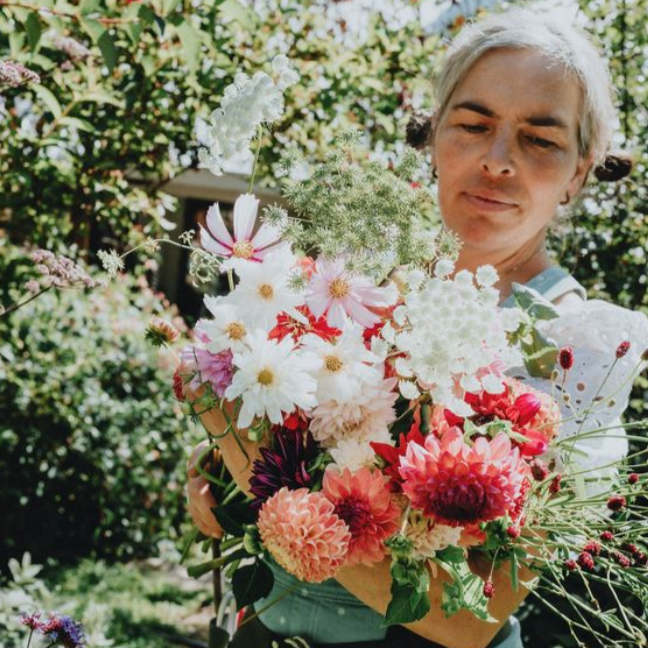
Star Hoerauf
Star Hoerauf is a shepherdess, grower and designer at Morning Star Woollen Farm. Hoerauf is a life-long lover of clothes who has worked for leading edge makers of technical outerwear including Arc’teryx, the North Face and Patagonia. She has spent the past decade raising children, sheep, and reconciling her love of clothing with the fashion industry. She is recognized as a pioneer in the realm of high-performance technical apparel, and has received more than a dozen awards for technical outerwear design. Though much of her career has been spent innovating synthetic fabrics, she is now passionately focused on the use of high-performance natural fibers and small-scale domestic manufacturing.
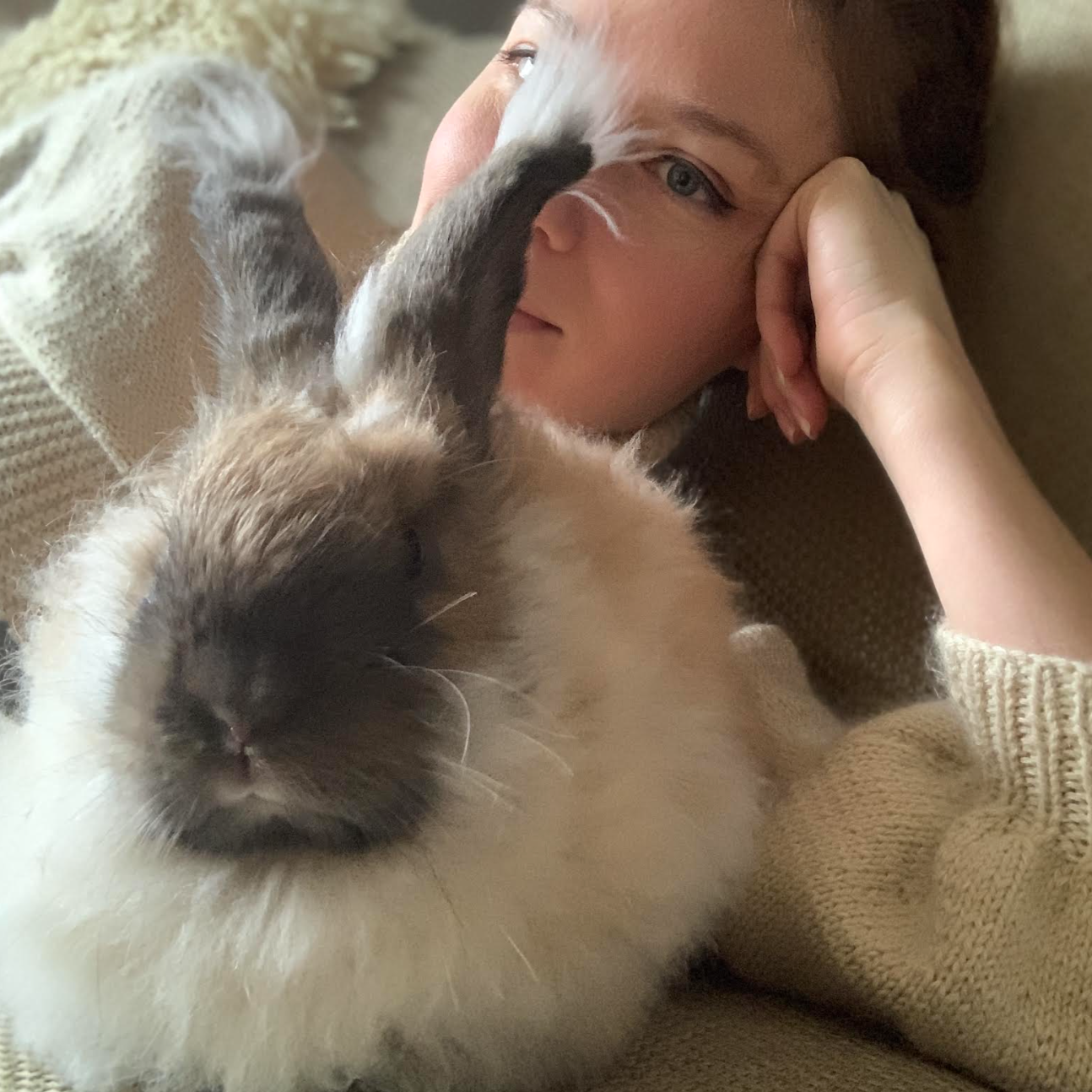
Stephanie Ostler
Stephanie Ostler Is a clothing designer based in Vancouver, BC. Since launching her clothing company, Devil May Wear, straight out of high school, she began attracting international attention and sales. By the time she was 30, she had 3 successful retail locations, including Granville Island, Main Street, and one in Fan Tan Alley in Victoria. Devil May Wear has been voted Vancouver’s Best Local Designer Clothing Store for 3 years and was runner up prior for 5.
Stephanie is passionate about inspiring the next generation by educating young people about entrepreneurship and continues to teach at Emily Carr, LaSalle College, and supports high school students in programs such as YELL in West Vancouver Secondary School.
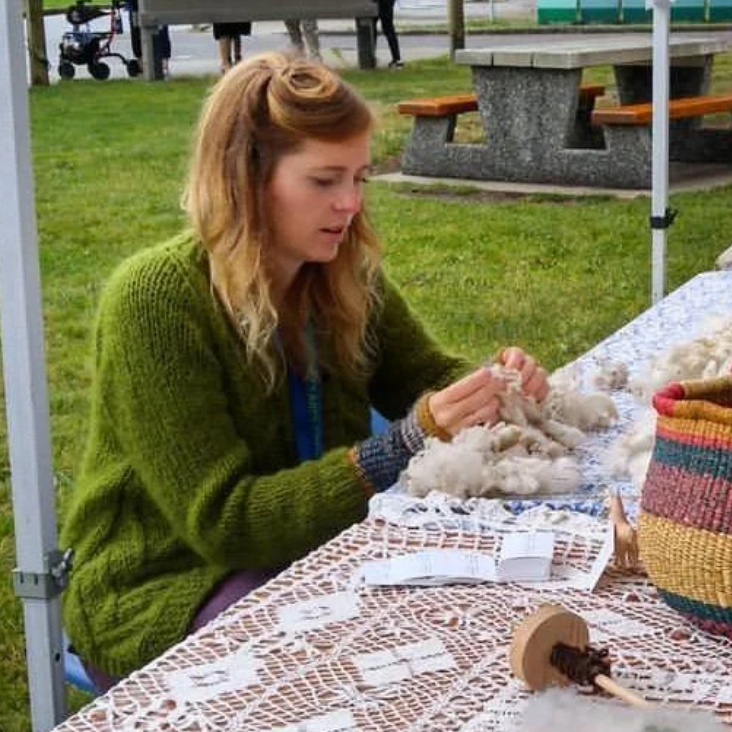
emily huizenga
Emily Huizenga (née Smith) has spent her career developing immersive, youth-oriented programming that promotes real-world engagement through hands-on making, community engagement and co-creation. She has created and managed multi-stakeholder projects and has over 15 years experience building and managing teams in creative arts, non-profit, and academic leadership positions.
She has played a pivotal role in establishing Vancouver’s Maker community through Vancouver Mini Maker Faire, and has developed a legacy of fibre and textile-related programming through Fibreshed, a field school created in partnership with Emily Carr University and Simon Fraser University. More recently, she co-created and managed the first 3 years of a Bachelors of Fashion Design program at LaSalle College Vancouver.